

Esther's Park: Home


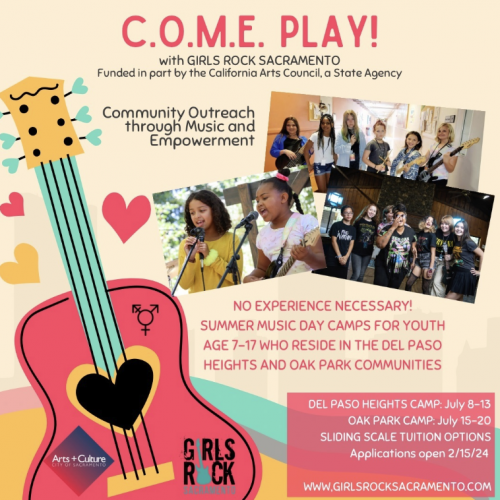
G.I.R.L.S. ROCK SACRAMENTO
St. HOPE Academy
OAK PARK CAMP
July 15-20, 2024, 10am to 4pm
Location: St. Hope/Sac High, 2315 34th Street, Sacramento
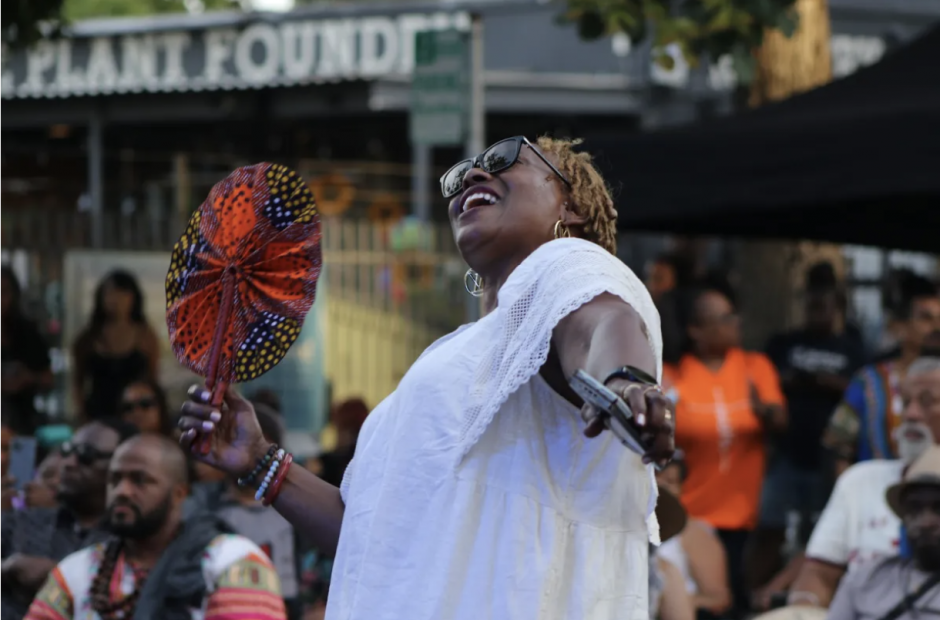
Thousands Dance In The Street For Juneteenth
Third Annual Block Party Held At 40 Acres In Oak Park
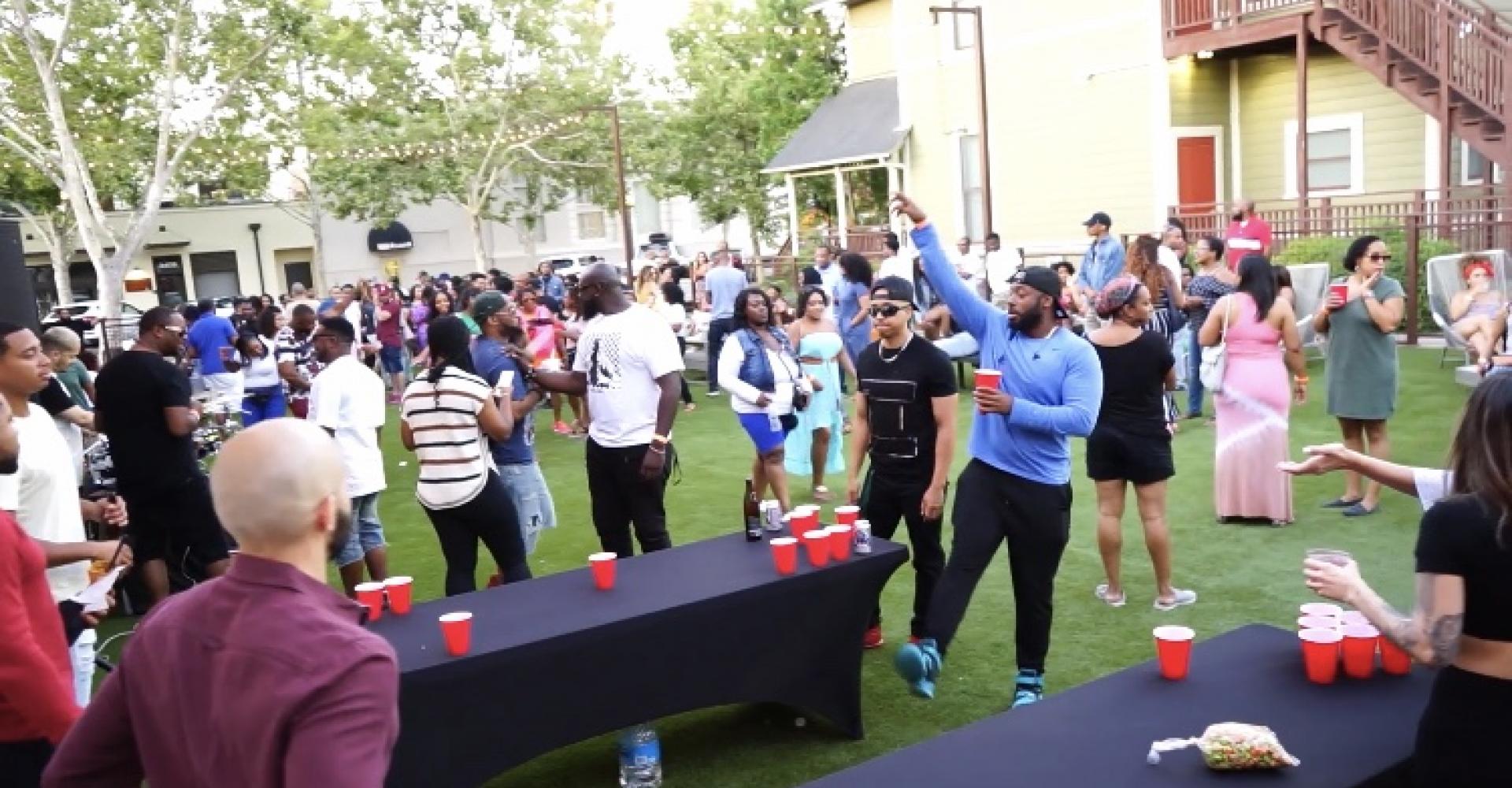
Thousands danced in the streets of Oak Park at St. Hope’s third annual Juneteenth Block Party at the 40 Acres Complex on June 17.
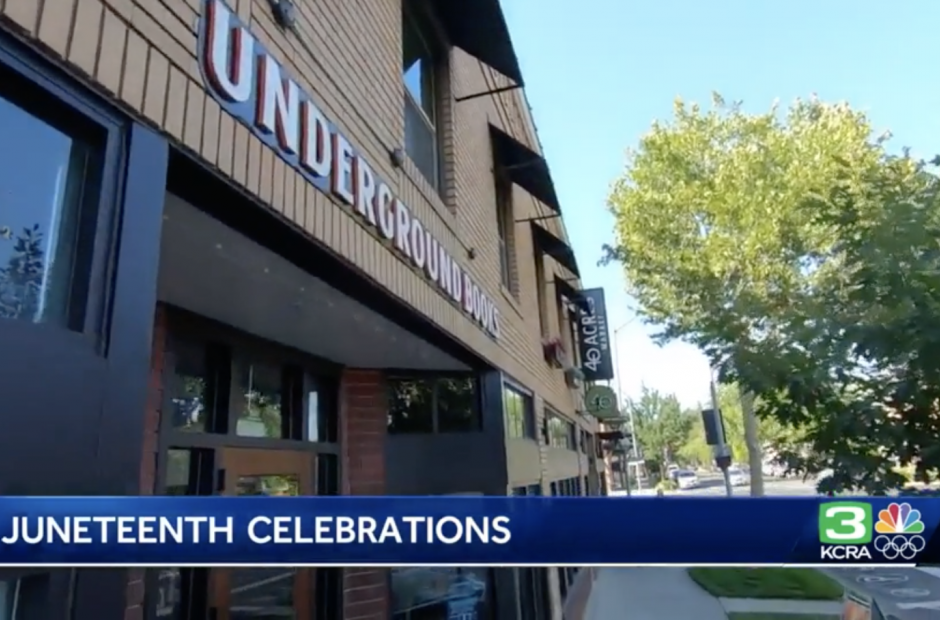
A stage sat in the middle of 34th Street, closing the road in front of Underground Books. Attendees in lawn chairs vacated their seats when the DJ played the Cupid Shuffle, gathering around the stage to do the line dance akin to the Electric Slide.
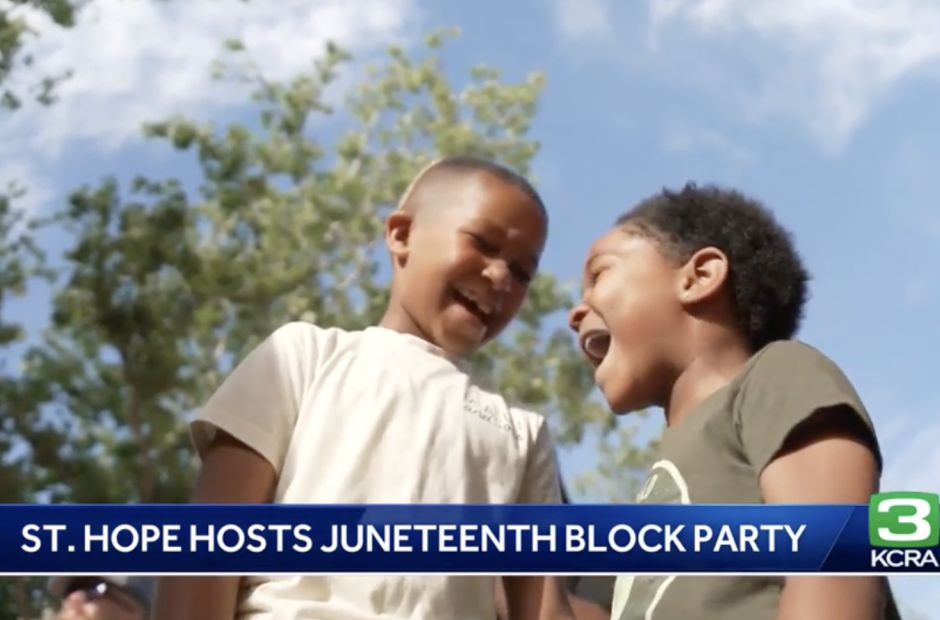
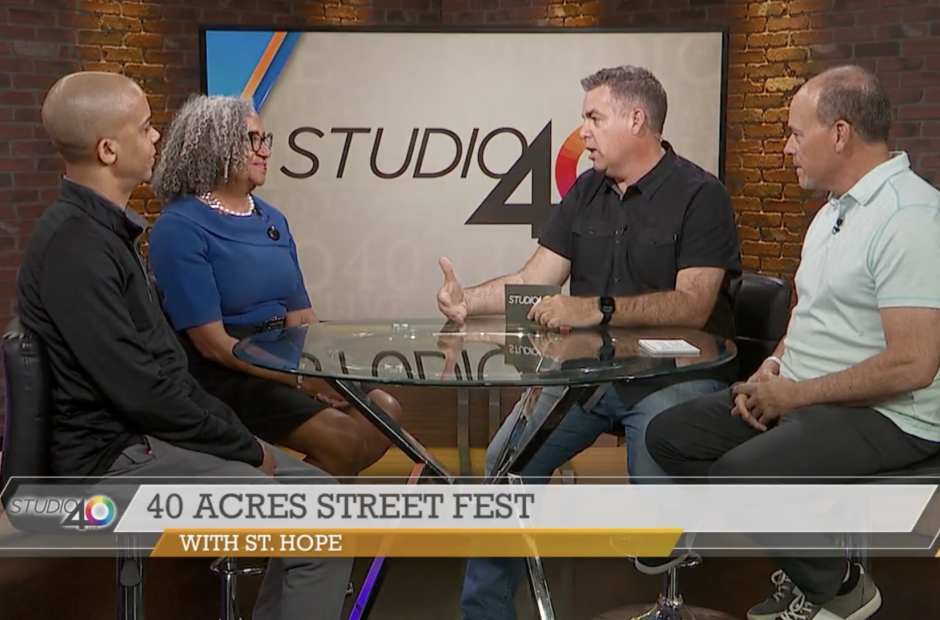
St. HOPE hosts Juneteenth block party in Oak Park
KCRA Ch. 3 - 6.17.2023
SACRAMENTO, Calif. —
St. HOPE hosted its Juneteenth block party at 40 Acres Saturday.
“There’s no better place to do than in Oak Park, Sacramento,” said Adrianne Hall, of St. Hope.
Advertisement
‘Getting the recognition it deserves’: Community prepares for Juneteenth celebrations in Sacramento
KCRA 6.17.21
SACRAMENTO, Calif. —
Juneteenth celebrations in Northern California are scheduled throughout the weekend.
The president and CEO of the Sacramento Black Chamber of Commerce said not only does it mark a celebration for the emancipation of slaves in 1863, but it’s also a celebration for those who finally learned of their freedom two years later.
Advertisement
Events Around Sacramento Celebrate First Nationally Recognized Juneteenth
CBS 13 Sacramento 6.19.21
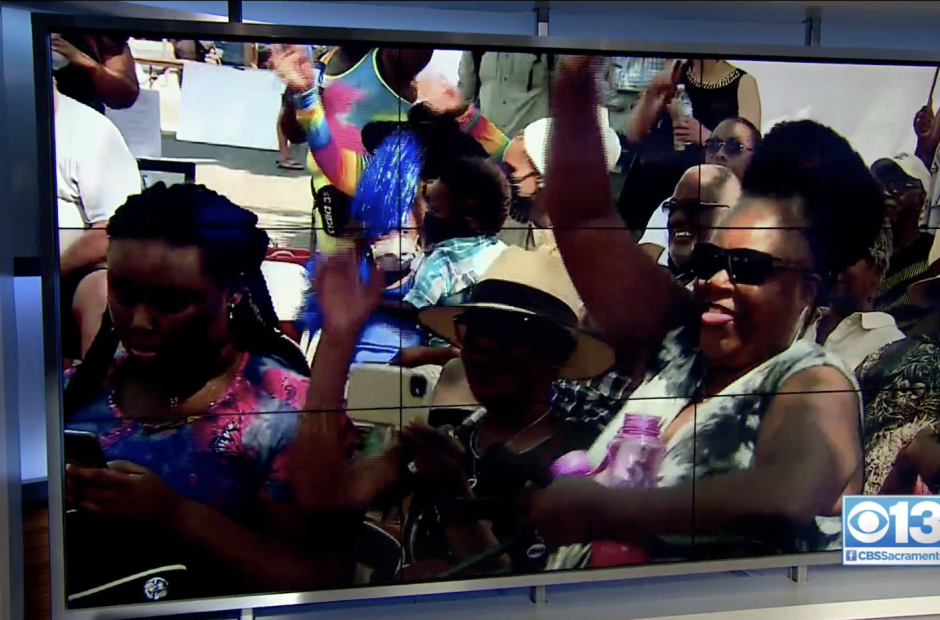
SACRAMENTO (CBS13) – Several events celebrating Juneteenth happened across Sacramento on Saturday.
There were calls for not only action, but reflection, bringing both joy and determination in the fight for progress.
READ MORE:Fourth Stimulus Check: Will You Get Another Relief Payment?
Events varied from soul music and dancing in Oak Park to art and vendors all highlighting black beauty and business at one of the longest-running Juneteenth festivals in Sacramento on June 19, 2021, which was taking on new meaning.
St. HOPE’s Unique Approach to Distance Learning
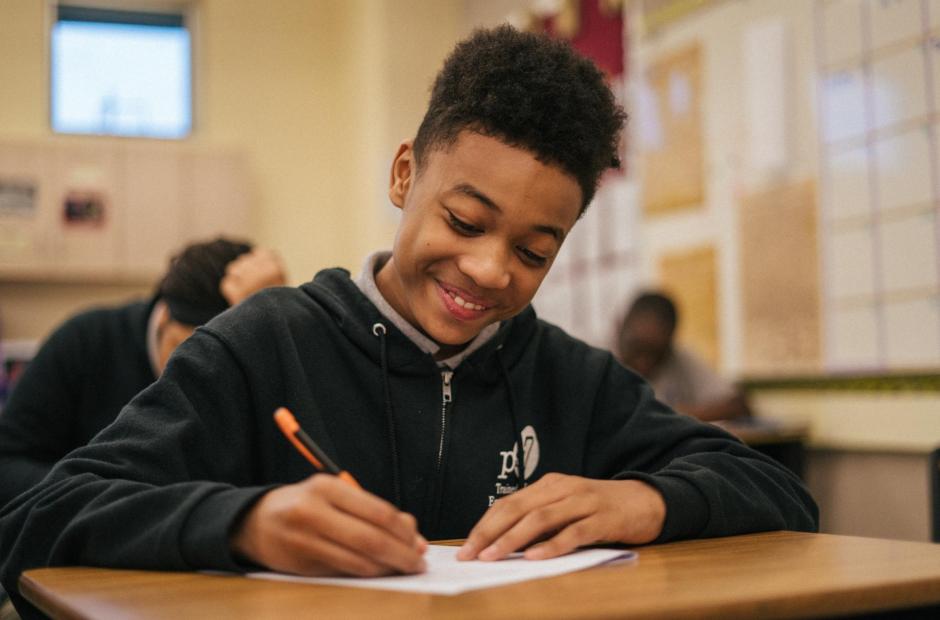
St. HOPE’s distance learning program is truly about continued learning. The classes look different, and the methods are new and creative, but goals are the same as they’ve always been. Distance learning at PS7 Elementary, PS7 Middle, and Sacramento Charter High School is not a mere assignment of busywork or simple worksheet packets that have kids treading water.
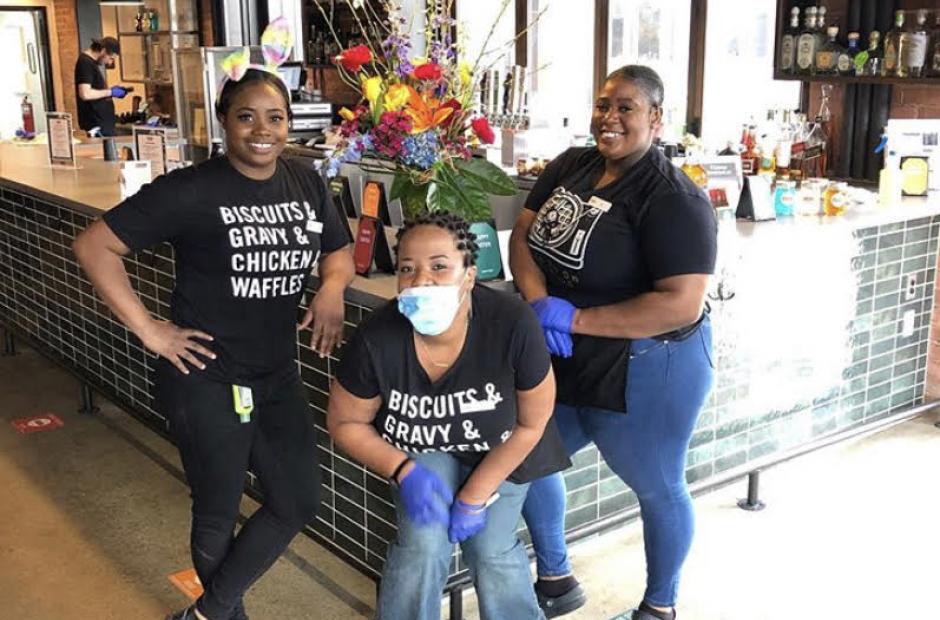
Oak Park Restaurants are Still Open for Business
We are so thankful that Fixins, Old Soul, La Venadita, and Oak Park Brewery are still open for take out! Support your favorite local restaurants by placing a to go order and making it a picnic meal at the park or special night with the family. Check out their Instagram pages for the latest news and discounts!
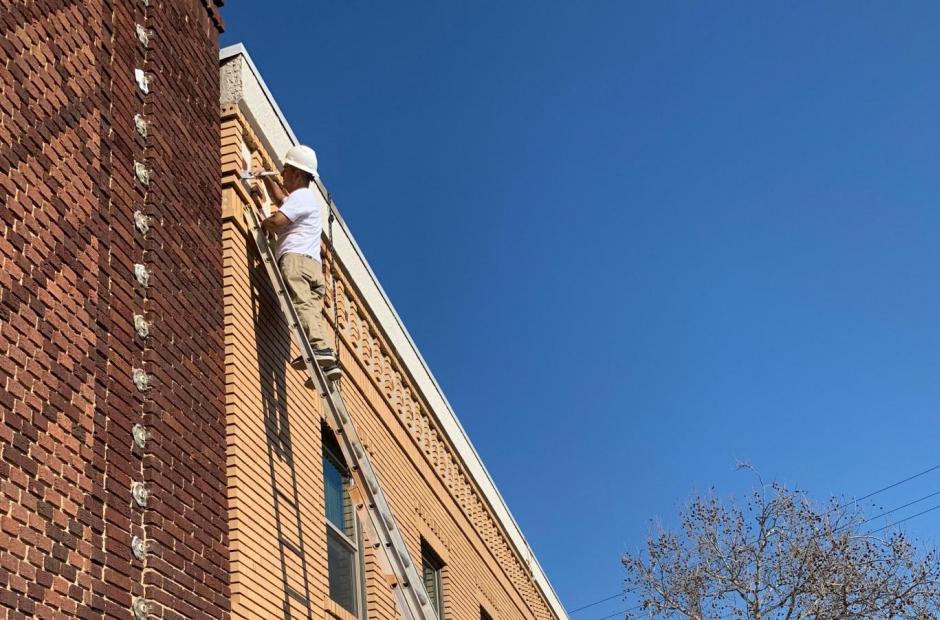
More Improvements at 40 Acres
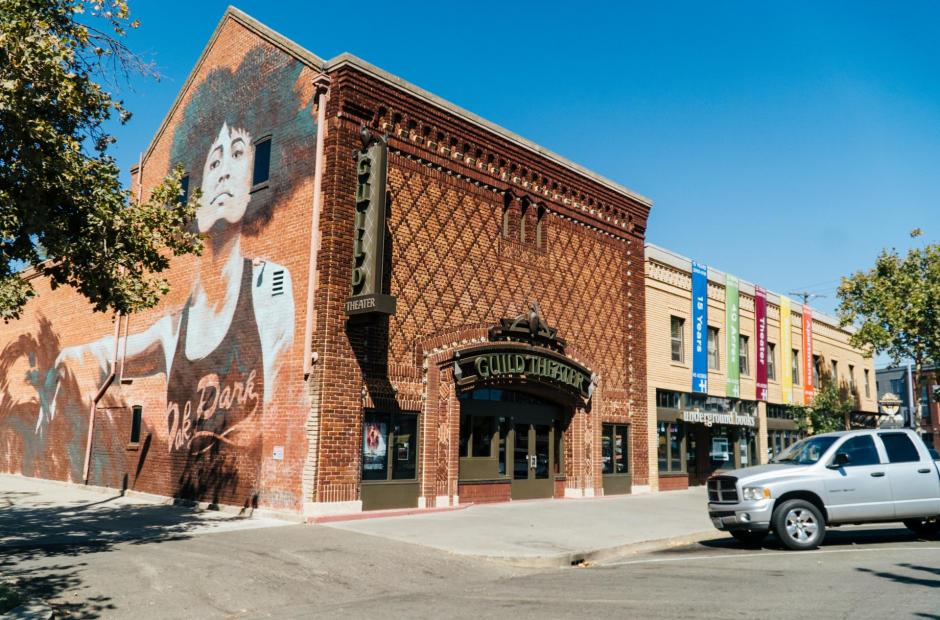
40 Acres, formerly known as the 1922 Woodruff Hotel, was once known as one of the most dangerous spaces of Oak Park. The 23,000 sq. ft. mixed use property was acquired and renovated by St. HOPE nearly 17 years ago. Today, 40 Acres is the jewel of the neighborhood and home to The Guild Theater, Underground Books, Old Soul Coffee Co., World Class Faders, Fixins Soul Kitchen, and the Upper Room Apartments. This year, 40 Acres will undergo a second set of improvements including paint, awnings, signage, window plant boxes, and more! At St.
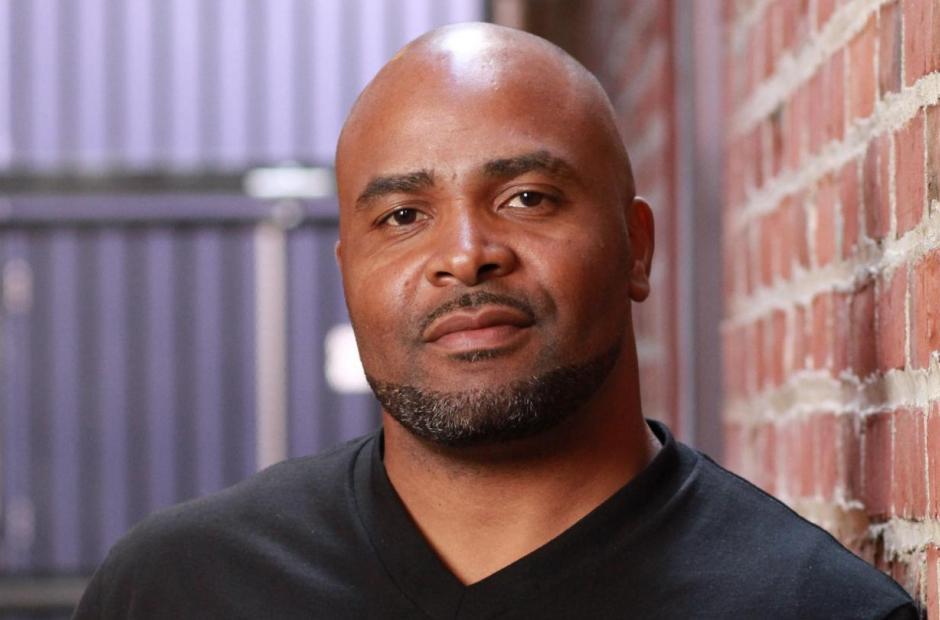
World Class Faders Now Open!
We are very excited to announce the opening of World Class Faders, a barbershop at 40 Acres. See below for an interview with owner Lonnie Horne.
1. Where’d you get the name World Class Faders?
I wanted a name my team, myself, and the community would be proud of. I wanted our name to give the impression that the highest level of service could be expected for anyone who walks into our business.
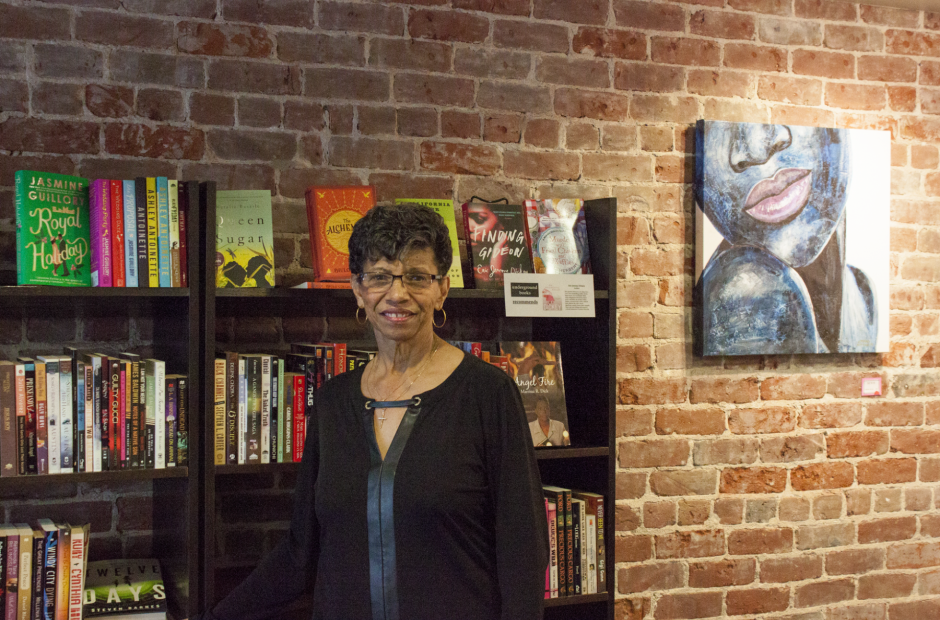
At Underground Books in Sacramento, youth find their freedom
1.31.2020
Author’s note: The following story was originally written for Comstock’s magazine as part of my recurring “Media File” column, a monthly examination at media-related businesses in the Sacramento region. Comstock’s declined to publish this story.
Walk into Underground Books along Broadway in Sacramento’s Oak Park neighborhood and the first thing you’re likely to notice is that it isn’t your typical bookstore.
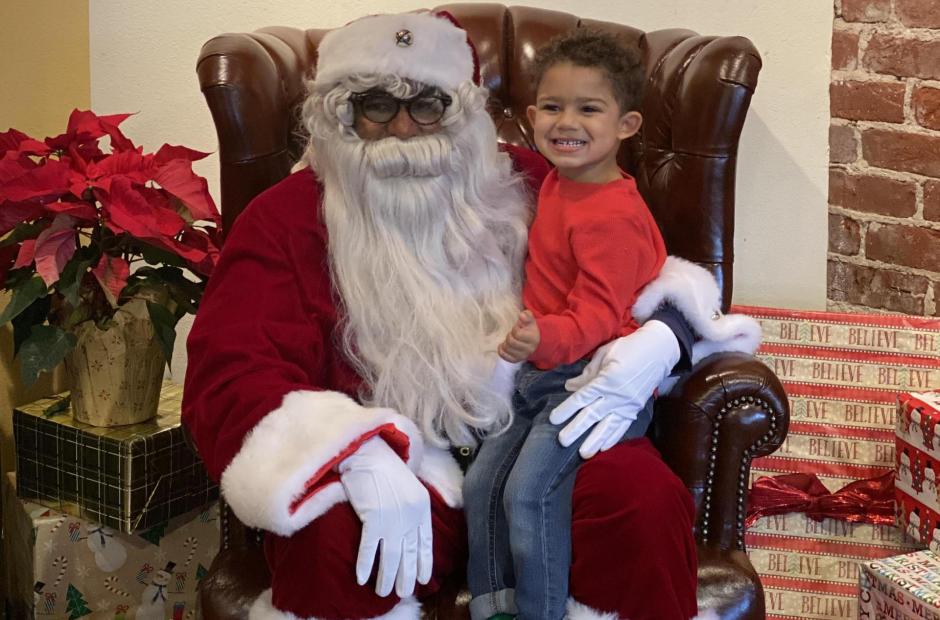
Christmas in Oak Park
By Xavier Mascareñas December 14, 2019 05:07PM
Christmas in Oak Park, hosted by St. HOPE, featured photos with “Black Santa” at Underground Books, and more holiday-themed activities at neighboring The Guild Theater, on Dec. 14, 2019, in the historic African American Sacramento neighborhood. See video here.
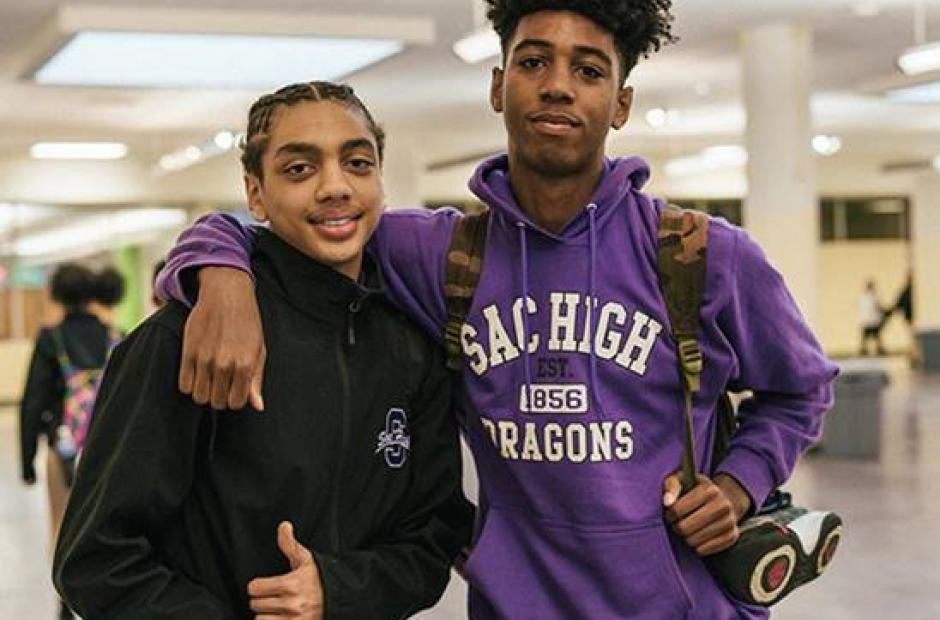
St. HOPE Puts Data To The Test, And Aces It
November 14, 2019
After a difficult past, the Oak Park neighborhood of Sacramento has been undergoing a revitalization. One longtime force in this renewal has been a nonprofit, St. HOPE, that has spent 30 years energizing public education and economic development aimed at helping resident families thrive.
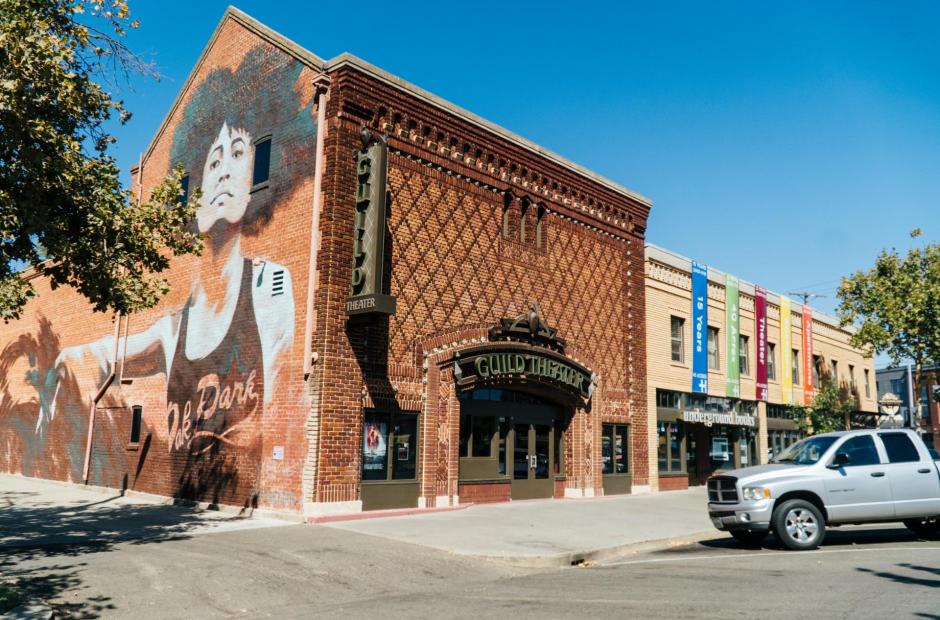
Sacramento’s Oak Park transformed: One organization and its $89 million footprint
Sac Bee Article by David Caraccio
Long-time Oak Park resident and activist Robbin Ware remembers that when he moved to the neighborhood, “there wasn’t a damn thing.”
“There wasn’t nothing here but gangs, drugs, drugs being sold,” said Ware, 82.
Nearly 20 years later, Oak Park has become a hotbed of investment and development. One organization in particular has been busy — St. Hope.
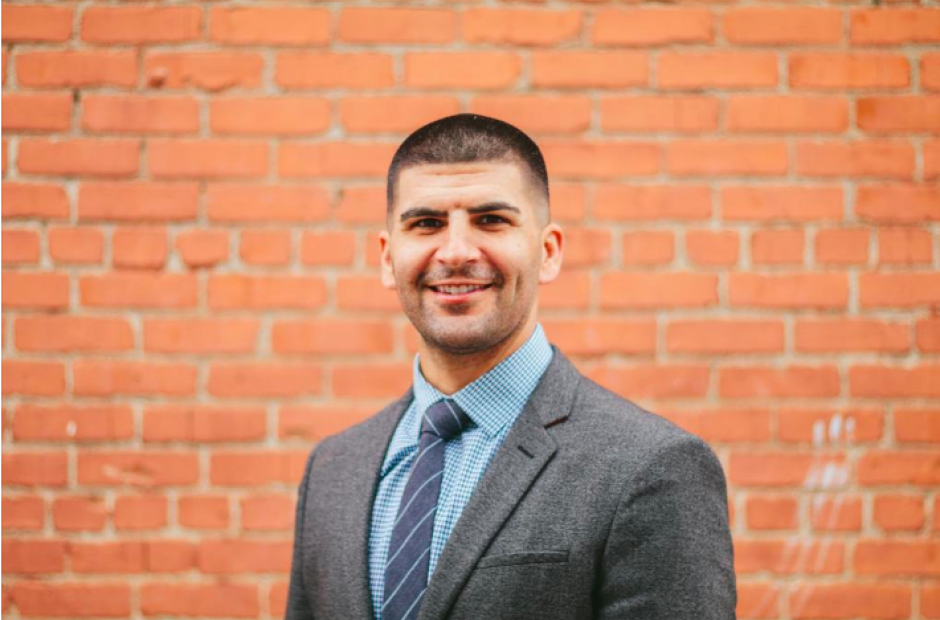
St. Hope turns 30 and self-sustaining
July 8, 2019
One week ago today, at 4 p.m., to be exact, former Sacramento Mayor Kevin Johnson and his fellow dreamers quietly celebrated the 30th anniversary of the founding of St. Hope — which started as a summer program in a portable classroom for 12 African-American boys but became an economic and education turbo engine for what had been the historically neglected Oak Park.
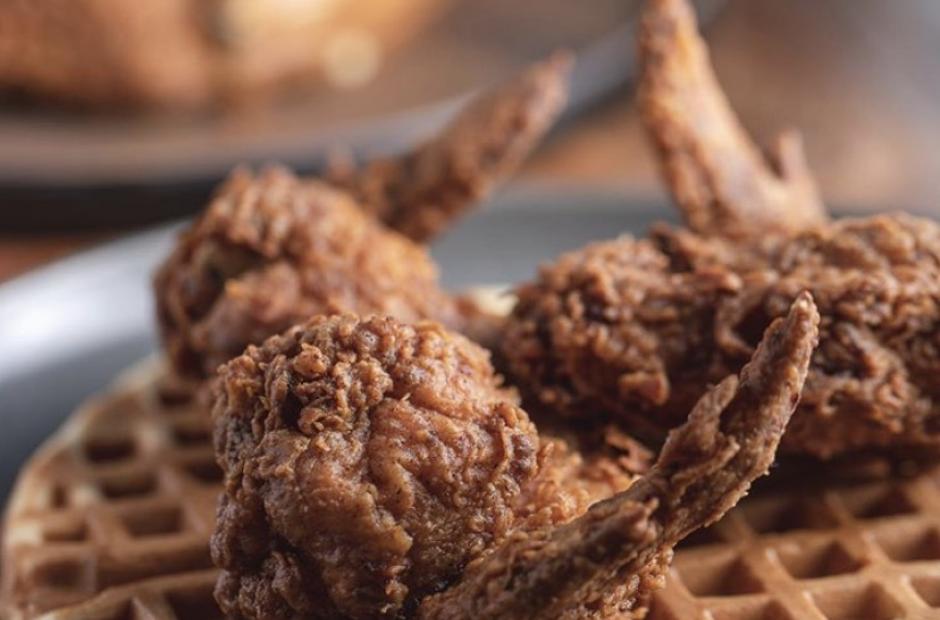
New soul food restaurant opening soon in Oak Park. One of its backers is Kevin Johnson
Sac Bee Article by Benji Engel
How does a restaurant capture the flavor of a neighborhood steeped in history that’s simultaneously more in flux than any other part of Sacramento?
Fixins Soul Kitchen went straight to the source: Oak Park residents’ family recipes. When the restaurant opens in St. Hope’s 40 Acres building around the end of July, someone’s grandma’s fried chicken or biscuits will share menu space with creations from executive chef Melvin “Boots” Johnson’s mind, said St. Hope CEO/president Jake Mossawir.
As it Celebrates its 30 th Year, New Study Shows St. HOPE has Contributed More Than $400 Million to Local Economy
Infographic: "St. HOPE Making Its Mark on Oak Park & Sacramento"
Report: The Economic Impact of St. HOPE on the Greater Sacramento Area and the Oak Park Area
Report: "Quality of Life" in Oak Park Area with St. HOPE's Involvement in the Area
Report: The 30-Year Economic Impact of St. HOPE on the Greater Sacramento Area and the Oak Park Area
96% of Sac High Seniors Accepted to Four-Year Universities!
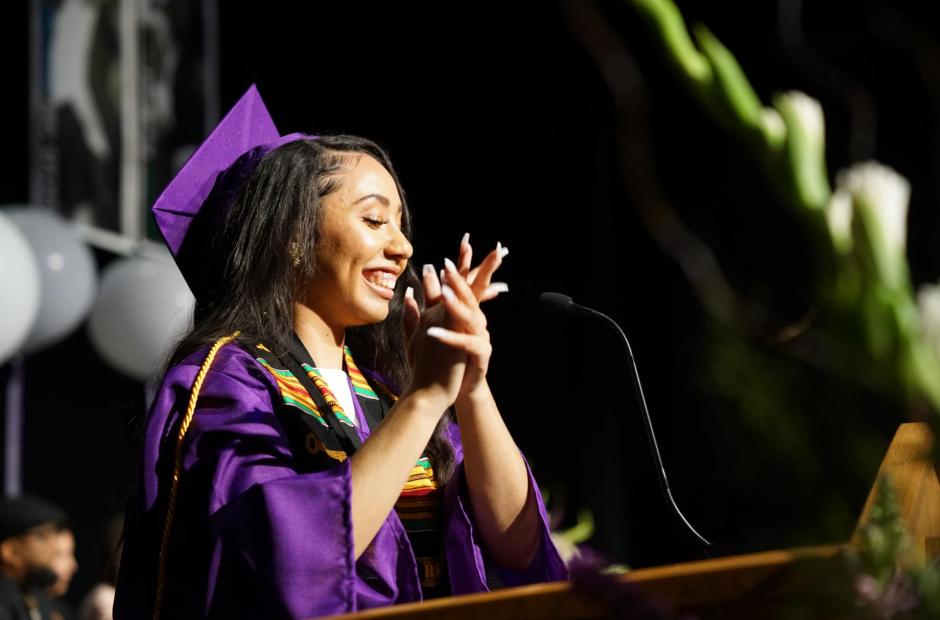
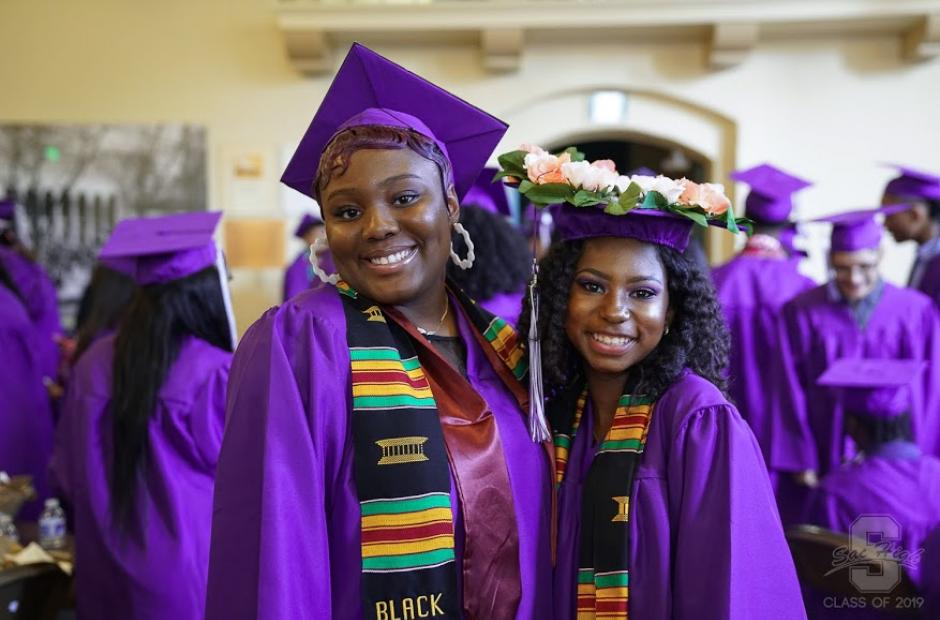
The Class of 2019 will be remembered as one of our most cohesive classes ever to walk through Sac High’s doors. The students from the Class of 2019 are as close as a true family who supported each other throughout the ups and downs of high school, ultimately emerging as graduates. Ninety-six percent of the seniors have been accepted to four-year universities across the nation, including 38 Historically Black Colleges and Universities, 21 California State University campuses, all nine of the University of California campuses, and 26 private and out of state colleges and universitie
PS7 Shows Off for First Art and Music Showcase
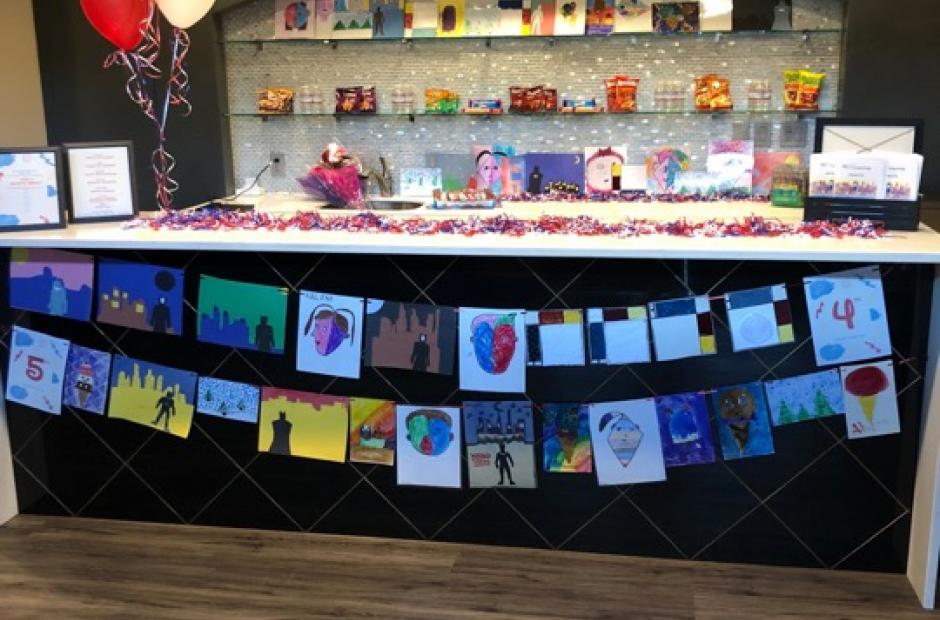
PS7 Elementary is always dedicated to bringing as many experiences to our scholars as possible. This year, we knew we wanted to increase the number of electives scholars had the opportunity to participate in while at the elementary school, so we added two — art and music. Throughout the year our scholars learned the various elements of art and music enabling them to present their first ever art and music production, “It’s A Creative World.”
6th Annual Sacramento Black Book Fair Celebration
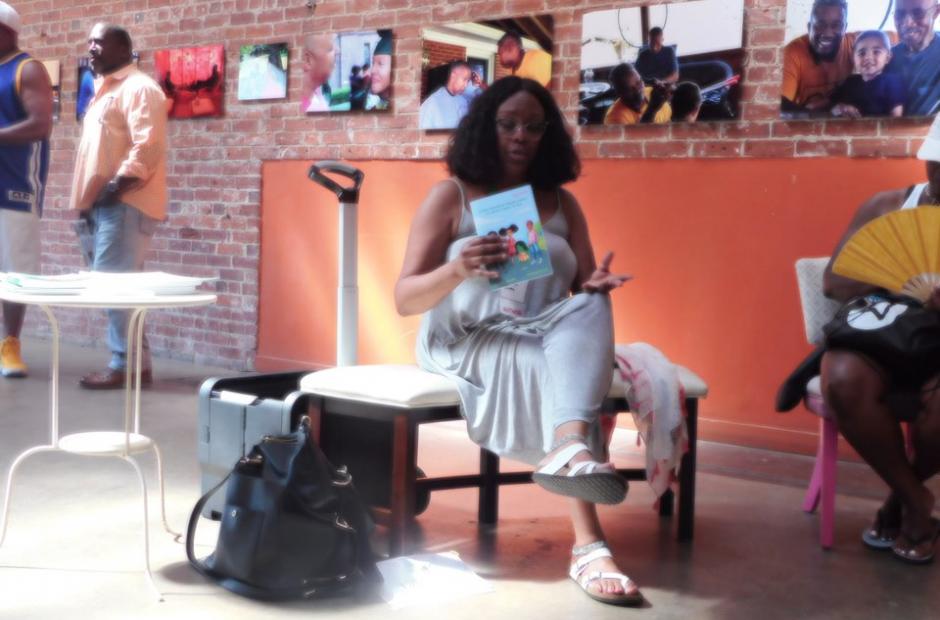
The Sacramento Black Book Fair kicked off its 6th Annual event earlier this month in Oak Park and brought together African American authors and artists from all over to the community. This highly anticipated h two-day event included a panel discussion among featured authors, book signings, cultural and food vendors, children’s activities, poetry readings, art displays, and so much more.